
Embark on a journey into the world of Home Automation for Smart Kitchens, where technology meets culinary convenience in a seamless blend of innovation and efficiency. Discover how automation is revolutionizing the way we cook and interact with our kitchen space, making everyday tasks simpler and more enjoyable.
Explore the key benefits, the role of IoT devices, and popular products that are shaping the future of smart kitchens.
Home Automation for Smart Kitchens
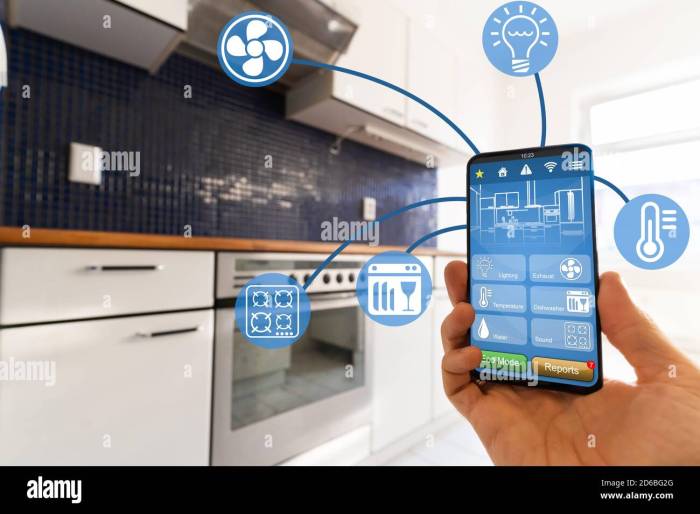
Home automation in smart kitchens involves the integration of technology to make daily kitchen tasks more convenient, efficient, and enjoyable. By using smart devices and appliances connected to the internet, homeowners can control various kitchen functions remotely and even automate certain processes.
Key Benefits of Integrating Automation in Kitchen Appliances
- Increased efficiency: Automation can streamline cooking processes and help save time.
- Enhanced convenience: Remote access to appliances allows for easier monitoring and control.
- Energy efficiency: Smart appliances can optimize energy usage, leading to cost savings.
- Improved safety: Automation features can help prevent accidents and mishaps in the kitchen.
Role of IoT Devices in Creating a Smart Kitchen Environment
Internet of Things (IoT) devices play a crucial role in enabling communication and connectivity among various kitchen appliances. These devices allow for seamless integration and data sharing, enabling smart functionalities such as voice control, automated recipes, and personalized cooking settings.
Examples of Popular Smart Kitchen Automation Products
- Smart Refrigerators: These refrigerators can suggest recipes based on available ingredients, track expiration dates, and provide notifications on grocery needs.
- Smart Ovens: With features like preheating remotely, adjusting temperature settings, and receiving notifications when food is ready, smart ovens offer convenience and precision in cooking.
- Smart Coffee Makers: These devices can be programmed to brew coffee at specific times, adjust brewing strength, and even reorder coffee supplies automatically.
- Smart Dishwashers: Offering features like delayed start, water usage optimization, and detergent replenishment alerts, smart dishwashers enhance efficiency and convenience in kitchen cleanup.
Home Accents for Interior Design
When it comes to interior design, home accents play a crucial role in enhancing the aesthetic appeal of a living space. They can add personality, warmth, and style to any room, making it feel more inviting and personalized.
Types of Home Accents
There are various types of home accents that can be used to complement different interior styles. From throw pillows and rugs to vases and wall art, each accent piece serves a specific purpose in adding character to a room.
- Throw pillows: These can add pops of color and texture to a sofa or bed, creating a cozy and inviting atmosphere.
- Rugs: Rugs not only define a space but also provide comfort underfoot and can tie together the elements of a room.
- Vases: Adding vases with fresh flowers or greenery can bring life and freshness to a room, enhancing its overall appeal.
- Wall art: Artwork and photographs can serve as focal points in a room, reflecting personal style and adding visual interest.
Incorporating Home Accents
When incorporating home accents into a space, it’s essential to consider the overall decor and style of the room. Mixing and matching different accents can create a cohesive look that reflects your personal taste and style.
Tip: Choose a color palette or theme for your home accents to ensure they complement the existing decor and create a harmonious look.
Balancing Home Accents
While home accents are essential for adding personality to a room, it’s crucial to strike a balance between these accent pieces and the overall decor. Too many accents can overwhelm a space, while too few may make it feel bare and lacking in character.
Home Makeover Ideas
Transforming a space through home makeovers can breathe new life into your home and enhance your living experience. From simple updates to complete renovations, there are endless possibilities to revamp your space.
Innovative Lighting Solutions
Updating the lighting in a room can make a significant impact on its overall look and feel. Consider installing smart lighting systems that can be controlled remotely or programmed to create different moods. Adding dimmer switches, pendant lights, or LED strips can also help change the ambiance of a space.
DIY Wall Art and Decor
Personalizing your walls with DIY art and decor can add a unique touch to any room. Create your own artwork, hang up family photos, or repurpose items like vintage frames or mirrors to create a gallery wall. This budget-friendly option allows you to showcase your creativity and style.
Functional Storage Solutions
Optimizing storage space in your home can not only declutter your living areas but also improve the functionality of each room. Consider adding built-in shelves, under-stair storage, or multi-functional furniture pieces like ottomans with hidden compartments. These solutions can help maximize space and create a more organized environment.
Outdoor Oasis
Don’t forget about your outdoor spaces when considering home makeovers. Transform your backyard into an outdoor oasis by adding a patio, deck, or pergola. Incorporate landscaping elements like plants, flowers, and outdoor lighting to create a relaxing and inviting atmosphere. This extension of your living space can enhance the overall quality of life for you and your family.
Home Office Setup and Productivity
Setting up a functional home office space is crucial for maximizing productivity and creating a conducive work environment. A well-designed home office can significantly impact your focus, efficiency, and overall work performance. In this segment, we will explore the essentials of setting up a home office space that promotes productivity, along with ergonomic tips for selecting furniture and organization strategies for optimizing layout.
Essentials of Setting Up a Functional Home Office Space
- Choose a dedicated space with natural light and minimal distractions.
- Invest in a comfortable chair and ergonomic desk to prevent strain and promote good posture.
- Ensure proper lighting to reduce eye strain and create a well-lit workspace.
- Organize your desk with essential supplies within reach to minimize interruptions.
Influence of a Well-Designed Home Office on Work Productivity
- A well-designed home office can enhance focus, creativity, and efficiency in completing tasks.
- Personalizing the space with decor and motivational elements can boost morale and productivity.
- Efficient organization and layout can streamline workflow and reduce time wasted searching for items.
Ergonomic Tips for Selecting Home Office Furniture
- Choose a chair with proper lumbar support and adjustable height to maintain a healthy posture.
- Opt for a desk with sufficient surface area and storage to keep essential items organized.
- Position your computer screen at eye level to reduce neck strain and avoid glare.
- Consider using a standing desk or ergonomic accessories to alternate between sitting and standing.
Organization Strategies for Optimizing a Home Office Layout
- Use storage solutions like shelves, drawers, and organizers to keep supplies and paperwork tidy.
- Create designated zones for different tasks to maintain focus and productivity throughout the day.
- Implement a filing system for important documents and digital files to easily locate information when needed.
- Keep cables and cords organized and out of the way to prevent clutter and tripping hazards.
Home Office Furniture Selection
When setting up a home office, choosing the right furniture is crucial for creating a productive and comfortable workspace. From ergonomic chairs to stylish desks, the selection of home office furniture can greatly impact your work environment.
Types of Home Office Furniture
- Ergonomic Office Chairs: Investing in a chair with proper lumbar support and adjustable features can improve your posture and reduce back strain during long work hours.
- Height-Adjustable Desks: Standing desks allow you to alternate between sitting and standing positions, promoting movement and reducing the risk of sedentary behavior.
- Storage Solutions: Consider furniture pieces with built-in storage compartments or shelves to keep your workspace organized and clutter-free.
- Multipurpose Furniture: Opt for versatile pieces like a desk with foldable sides or a cabinet that doubles as a filing system to maximize space efficiency.
Importance of Ergonomic Features
Choosing home office furniture with ergonomic features is essential for maintaining comfort and productivity. Proper support for your back, arms, and wrists can prevent musculoskeletal issues and enhance your overall well-being.
Adjustable height, lumbar support, and armrests are key ergonomic features to look for in office chairs.
Stylish yet Functional Furniture
- Consider the aesthetics of your home office furniture to create a cohesive and visually appealing workspace.
- Choose furniture pieces that blend with your existing decor while offering functionality and comfort.
- Opt for sleek designs, quality materials, and neutral colors for a timeless and sophisticated look.
Maximizing Storage Space
Efficient furniture solutions can help you make the most of your home office storage space. Look for desks with drawers, shelves, or built-in filing cabinets to keep your supplies and documents organized.
Utilize vertical space with tall bookshelves or wall-mounted storage units to free up floor space in your home office.
In conclusion, Home Automation for Smart Kitchens offers a glimpse into a future where technology enhances our culinary experiences, making cooking more convenient and enjoyable. Embrace the possibilities of automation in your kitchen to elevate your cooking game and streamline your daily routine.
Key Questions Answered
How can home automation benefit my kitchen?
Home automation can enhance convenience, efficiency, and safety in your kitchen by automating tasks and providing real-time monitoring.
What are some popular smart kitchen automation products?
Popular products include smart refrigerators, ovens, coffee makers, and voice-activated assistants like Amazon Alexa or Google Home.
Is it difficult to integrate IoT devices into a smart kitchen?
Integrating IoT devices can be seamless with the right setup and compatible products. Many devices offer easy connectivity and user-friendly interfaces.


